
Is 38 degrees Celsius the ideal temperature? Three key architectural features of traditional Korean houses for long-lasting heat dissipation revealed.
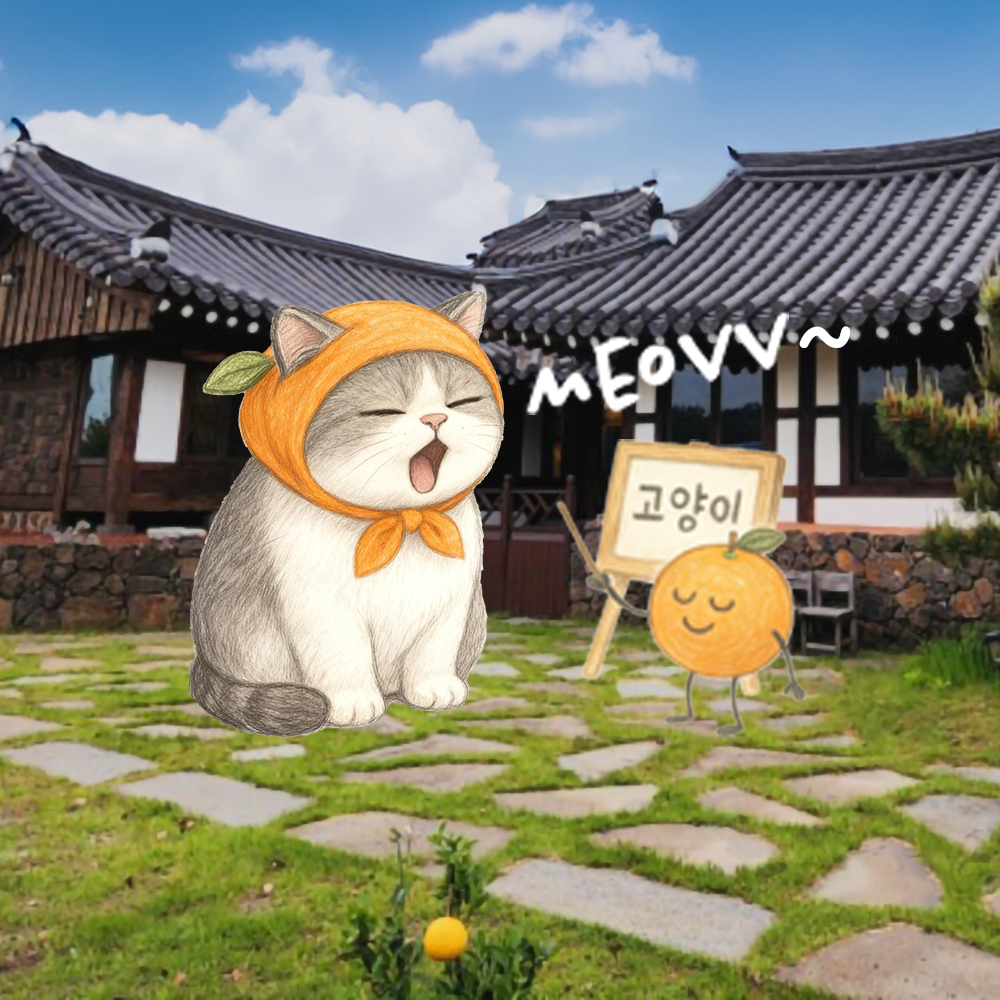

Friends who have recently visited Jeju Island are often surprised to ask me why the interiors remain cool and comfortable even in the sweltering summer heat. I often share with them that although temperatures frequently exceed 35 degrees Celsius, and we ultimately need to turn on the air conditioning to regulate the temperature, the structural design of traditional Hanok houses truly provides excellent auxiliary heat dissipation, preventing the indoor temperature from soaring as rapidly as in modern reinforced concrete buildings. Hundreds of years ago, architects cleverly combined various physical principles and natural laws in designing houses, giving Hanok houses a natural advantage in insulation.

(1) Deep eaves with precise calculation of illumination angle
First, the seemingly antique, deep eaves (Cheoma) are actually physical sunshades calculated based on the sun's angle. The edges of the Hanok roof project very far, like a giant sun hat. In the sweltering summer, when the midday sun hangs directly overhead at an extremely high angle, the short eaves perfectly block the harsh direct sunlight, preventing external heat from penetrating directly into the room. In winter, when the sun's angle is lower, sunlight can actually pass through the eaves and shine directly into the room. This ingenious structural design provides excellent first-line insulation in summer, making the cooling effect of the air conditioning even more pronounced.

(2) Raised wooden floors block surface heat.
Secondly, there's the ventilation design of the raised wooden floor (Daecheong Maru). Traditional Korean houses, to adapt to the summer climate, specifically raise the wooden floor in the living room, allowing air to circulate freely beneath it. This design perfectly blocks moisture from the soil surface and heat reflected from the ground in summer. When guests walk barefoot onto our living room's wooden floor after being out in the blazing sun, their skin always feels dry and slightly cool, effectively lowering the perceived temperature and maintaining a comfortable sense of openness indoors.

(3) Breathable natural building materials regulate humidity
Finally, there's the moisture-absorbing function of the building materials themselves. Traditional Hanok houses are mainly constructed from loess, pure wood, and natural Hanji paper. The biggest characteristic of these all-natural materials is their excellent breathability. In the humid and hot summer season, the loess in the walls and foundation automatically absorbs excess moisture from the air, reducing the stickiness. Combined with the operation of indoor air conditioning, this natural humidity regulation function can significantly improve comfort, preventing the stuffiness often felt in modern urban concrete buildings.

Harmonious coexistence of modern technology and traditional wisdom
Many city dwellers imagine staying in traditional old buildings as a sweltering and unbearable ordeal, but once you step into our Hanok (traditional Korean house), you'll discover the wonder of how modern air conditioning technology can be combined with the wisdom of traditional architecture. Lying on the wooden floor in the living room, enjoying the comfortable coolness while gazing at the lush greenery of the 300-square-meter garden and the soothing cat-themed elements throughout the house, this slow-paced vacation offers an unprecedented sense of healing and relaxation.
If you're planning your next summer getaway to Jeju Island, feel free to contact us through our official channels. Please let me know your expected dates and the number of people traveling with you so I can check the weather forecast and recommend the most suitable room type!



Comments